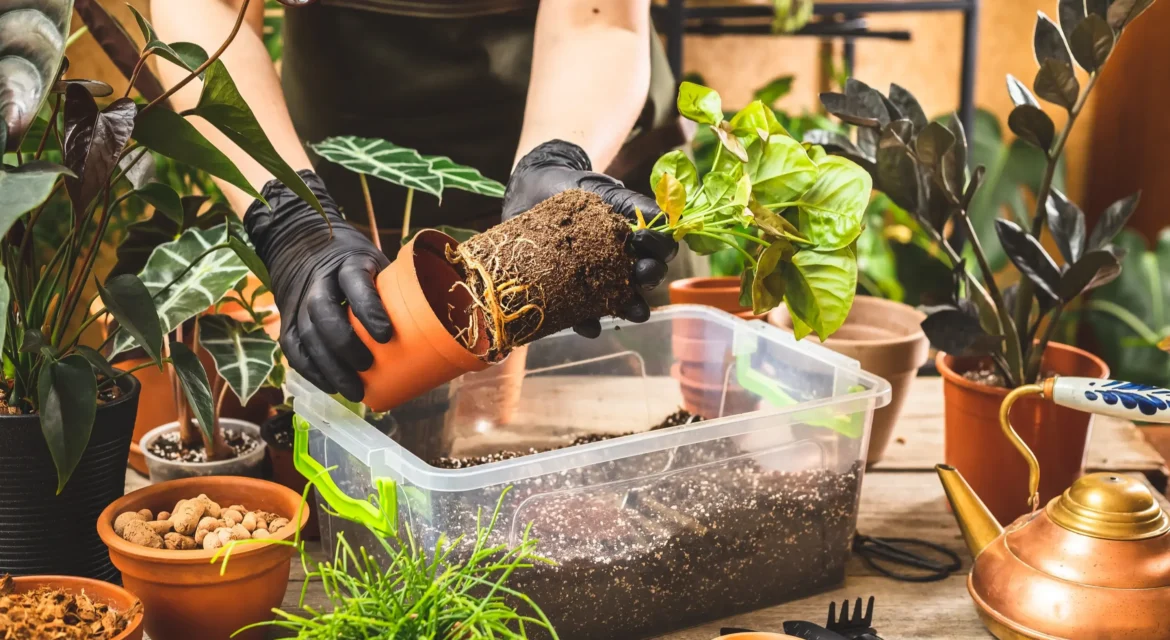
Re-Potting – Why is it important to do re-potting and how often do we have to do repotting?
Healthy plants need more than just water and sunlight; they also need enough space to grow. Over time, plants outgrow their pots, and the soil loses its nutrients. This is where re-potting becomes essential. It is a simple yet important gardening practice that ensures your plants continue to thrive.
What is Re-Potting?
Re-potting is the process of transferring a plant from its current pot to a larger pot or replacing the old soil with fresh, nutrient-rich soil. This helps plants grow better by giving their roots more space and access to nutrients.
Why is Re-Potting Important?
Re-potting plays a key role in maintaining plant health and growth. Here’s why it is necessary:
1. Provides More Space for Roots
As plants grow, their roots expand and may become crowded in small pots. Re-potting gives roots enough room to grow freely.
2. Refreshes Soil Nutrients
Over time, soil loses its nutrients. Re-potting replaces old soil with fresh, nutrient-rich potting mix, supporting better plant growth.
3. Improves Drainage
Old soil can become compacted, affecting water flow. Fresh soil improves aeration and drainage, preventing root rot.
4. Promotes Healthy Growth
With better space, nutrients, and drainage, plants grow stronger, healthier, and more vibrant.
5. Prevents Pest and Disease Issues
Changing soil during re-potting helps remove pests, fungi, and harmful bacteria from the root system.
Signs That Your Plant Needs Re-Potting
Look out for these common signs:
- Roots growing out of drainage holes
- Water draining too quickly or not at all
- Slowed or stunted plant growth
- Soil drying out very fast
- Yellowing leaves without clear reason
How Often Should You Re-Pot?
The frequency of re-potting depends on the type and growth rate of the plant:
- Fast-growing plants: Every 6–12 months
- Moderate-growing plants: Every 1–2 years
- Slow-growing plants: Every 2–3 years
Best Time for Re-Potting
The ideal time to re-pot is during the growing season (spring or early summer). This allows plants to recover quickly and adapt to the new environment.
Tips for Successful Re-Potting
- Choose a pot slightly larger than the current one
- Use high-quality potting mix
- Avoid overwatering immediately after re-potting
- Handle roots gently to avoid damage
Conclusion
Re-potting is an essential part of plant care that ensures healthy growth, strong roots, and long-lasting greenery. By giving plants fresh soil and more space at the right time, you can significantly improve their health and appearance.
At Ayyappa Gardens, we recommend regular re-potting as part of proper garden maintenance to keep your plants thriving. With the right care and timely re-potting, your plants will continue to grow beautifully and naturally.
For professional landscaping and garden maintenance services, contact us today:
 +91-9845851718
+91-9535436176
Website Link : https://ayyappagardens.com/
Ayyappa Gardens – Bringing nature closer to your everyday living.